
Waste & Resource Audits
A structured, on-site review of material, water, and energy flows across a farm or rural business, delivered as a plain diagram and written summary.
Circular practice for farms and rural businesses
Waciho Duzavo works alongside small producers and rural operations on the practical side of circularity: mapping what leaves the farm gate as waste, finding where it can loop back into the operation, and building communication around those efforts that will not overstate what has actually changed.
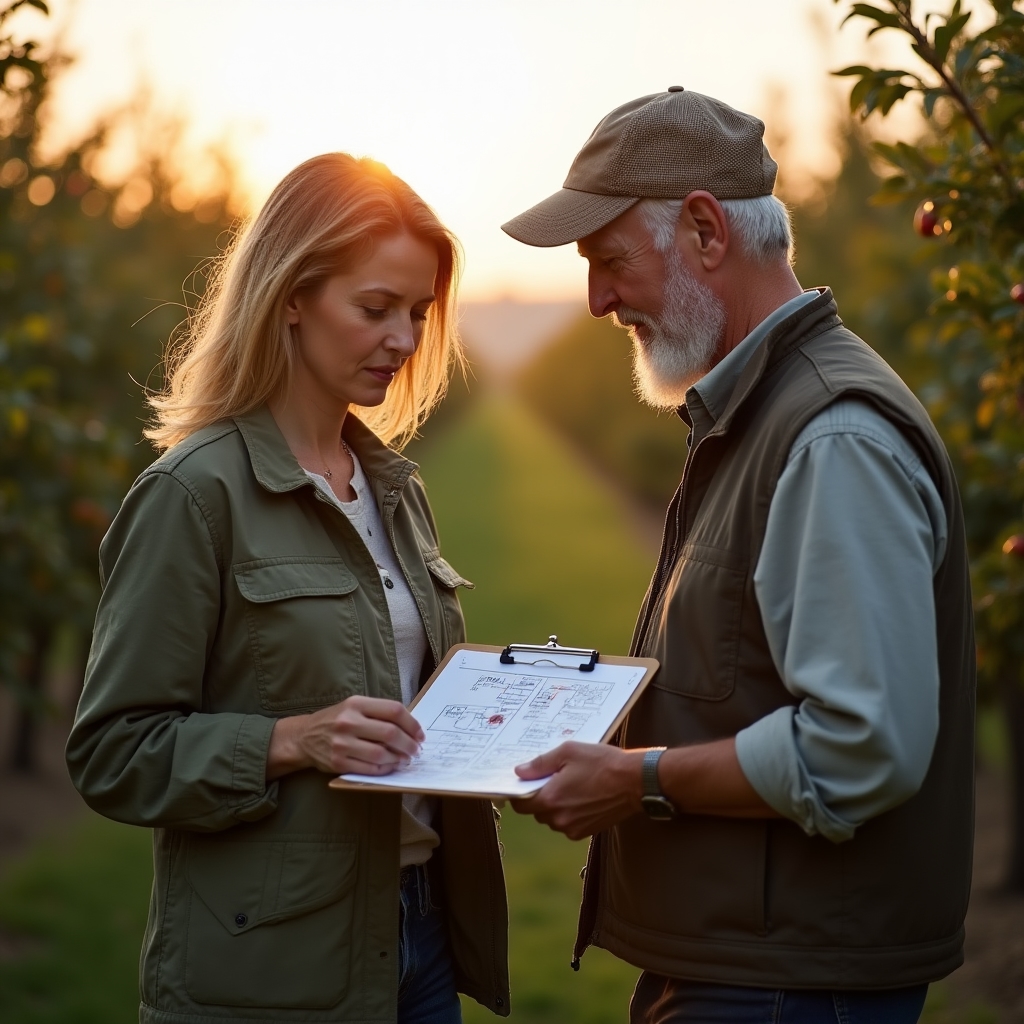
What we actually mean by circularity
On most farms and rural operations we visit, "circular economy" has already existed in some form for decades, prunings get burned or mulched, whey gets fed to animals, crates get reused until they fall apart. What is usually missing is a structured way of seeing these flows together, deciding which ones are worth formalising, and describing them without inflating their significance.
Our role is closer to an auditor than a marketer. We walk the site, note where material and water move, ask where it ends up, and then help decide what is realistic to change this season versus over several years.
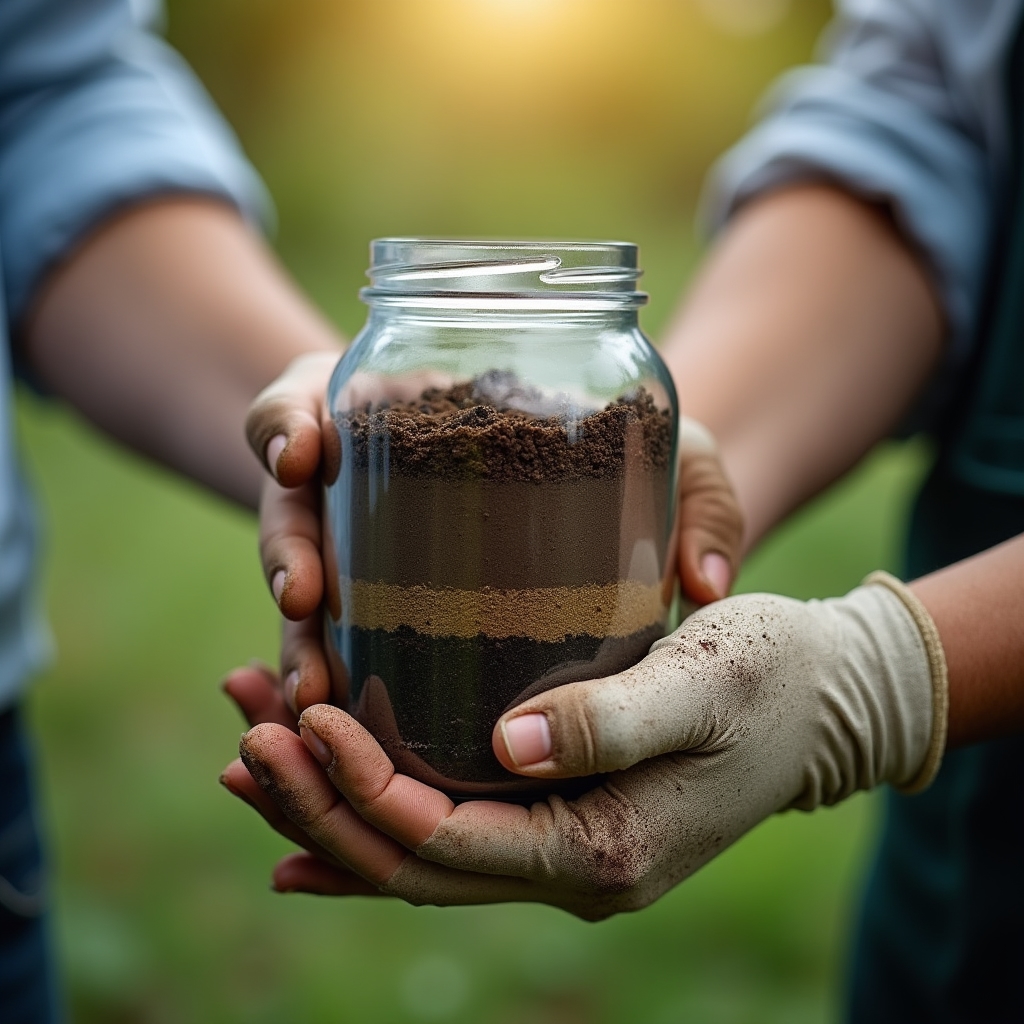
Before any recommendation, we spend time simply observing. Waste streams on a working farm rarely look like the ones in a textbook diagram. A greenhouse operation might generate more plastic film than organic matter. A small dairy might have almost no packaging waste but a serious water reuse question. We record what is there before suggesting what to do about it.
This sequence matters. Recommendations built on assumption tend to require costly correction later, and they rarely survive contact with the actual rhythm of a working season.
How the work is structured
We walk the property and the processing area with the owner or manager, logging every material and water flow that leaves the operation, not just the obvious ones. This usually takes one long site visit and produces a simple diagram rather than a dense report, something that can sit on a wall or a desk and be referred back to.
Once flows are mapped, we look for places where an output from one part of the operation could become an input elsewhere: pruning waste into mulch, spent grain into feed, greywater into drip irrigation for non-edible plantings. Not every loop is worth closing. Some cost more in labour than they save in material, and we say so plainly.
If a producer wants to mention these practices on packaging, a website, or at a market stall, we help phrase it in a way that matches what has actually been measured or observed. We avoid absolute language, and we flag claims that would need third-party verification before they could reasonably be made public.
Circular practices drift over time as staff change, seasons shift, and equipment ages. We suggest a light review rhythm, often once a season, to check whether the loops set up earlier are still functioning as intended, and to adjust the plan where they are not.
A typical partnership
A call or video meeting to understand the operation, its scale, and what prompted the interest in circular practices. No obligation, no sales pressure, just orientation.
An on-site visit to observe waste and resource flows directly, followed by a written summary of what was found, organised by area of the operation.
A working session, usually a few hours, to decide which resource loops are realistic given labour, budget, and equipment already on hand.
If relevant, we review any existing labelling, signage, or website copy that touches on sustainability, and suggest adjustments where claims outpace evidence.
A shorter return visit or call to see what held up through a full season and what needs adjusting before it becomes a habit or, alternatively, gets quietly abandoned.
A recurring part of our work is talking producers out of language that sounds good but cannot be supported. "Zero waste" is a phrase we ask clients to avoid unless every stream has genuinely been accounted for, which is rare in a working agricultural operation.
Instead, we tend to favour specific, checkable statements: which materials are composted on site, which packaging has been switched to a reused source, which irrigation now draws on recovered water. These statements are less dramatic. They also hold up better under scrutiny, from customers, from auditors, and from the producers themselves a year later.

Areas of focus
Each program below is described in more detail on the programs page. They are not sold as a bundle; most producers start with one.
A structured, on-site review of material, water, and energy flows across a farm or rural business, delivered as a plain diagram and written summary.
Working sessions to identify which byproducts or spent materials can reasonably be redirected back into the operation instead of leaving it as waste.
A review of packaging text, signage, and web copy that references sustainability, checked against what has actually been measured on site.
Group sessions for cooperatives or producer associations wanting a shared framework, rather than five separate individual audits.
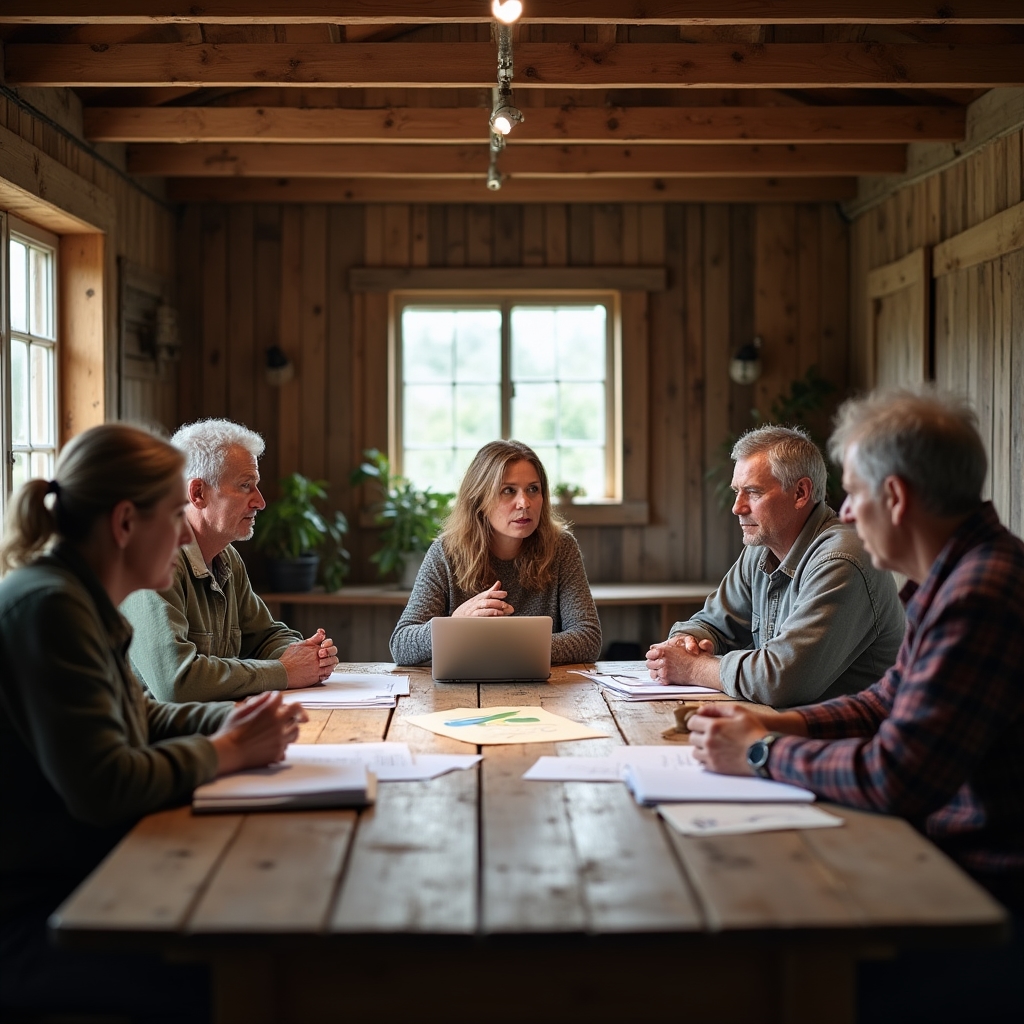
Individual producers often share equipment, storage, or a processing facility with neighbours. When that is the case, we prefer to work with the group rather than repeat the same audit five times over.
A shared framework also makes joint claims, such as a cooperative label describing composting practices across member farms, easier to keep consistent and defensible.
The upcoming sessions page lists open workshops that do not require a private engagement to attend. It is often the easiest first step.