
What we offer
Programs, described plainly
Four ways of working with us, each usable on its own. Most producers start with an audit before deciding whether the other programs are relevant to their situation.

Waste & Resource Audits
A single, structured site visit covering the full operation, from field or barn to storage and packaging area. We log what leaves the site as waste, what is reused informally already, and where water and energy are consumed with little tracking.
The output is a diagram plus a short written summary, organised by area rather than by academic category. It is meant to be read in one sitting by someone who is not a sustainability specialist.
- One on-site visit, typically half a day to a full day depending on scale
- Written summary delivered within two weeks
- No obligation to proceed to further programs
Reuse & Loop Design
Following an audit, this program works through which outputs could reasonably become inputs elsewhere on site or nearby. Pruning waste turned into mulch, packaging crates rotated between suppliers, spent brewing grain redirected to livestock feed. Each option is weighed against the labour and equipment it would require.
We do not recommend a loop simply because it is technically possible. If the added handling time outweighs the material saved, we say that directly, and note it in the final summary.
- Half-day working session, usually with two or three staff present
- A ranked list of feasible loops with rough labour estimates
- Optional short follow-up call after the first month of implementation

Honest Communication Review
A review of any existing packaging text, signage, website copy, or market stall materials that mention sustainability, composting, reuse, or reduced waste. We check whether each statement can be tied to something actually measured or observed, and flag where wording implies more than the evidence supports.
This review does not write marketing copy for you. It suggests where language should be narrowed, softened, or supported with a specific, checkable detail rather than a broad claim.
- Review of up to ten pieces of existing copy or labelling
- Written notes with suggested rewording, not a rewrite
- A short guidance sheet on terms to use with caution
Cooperative Workshops
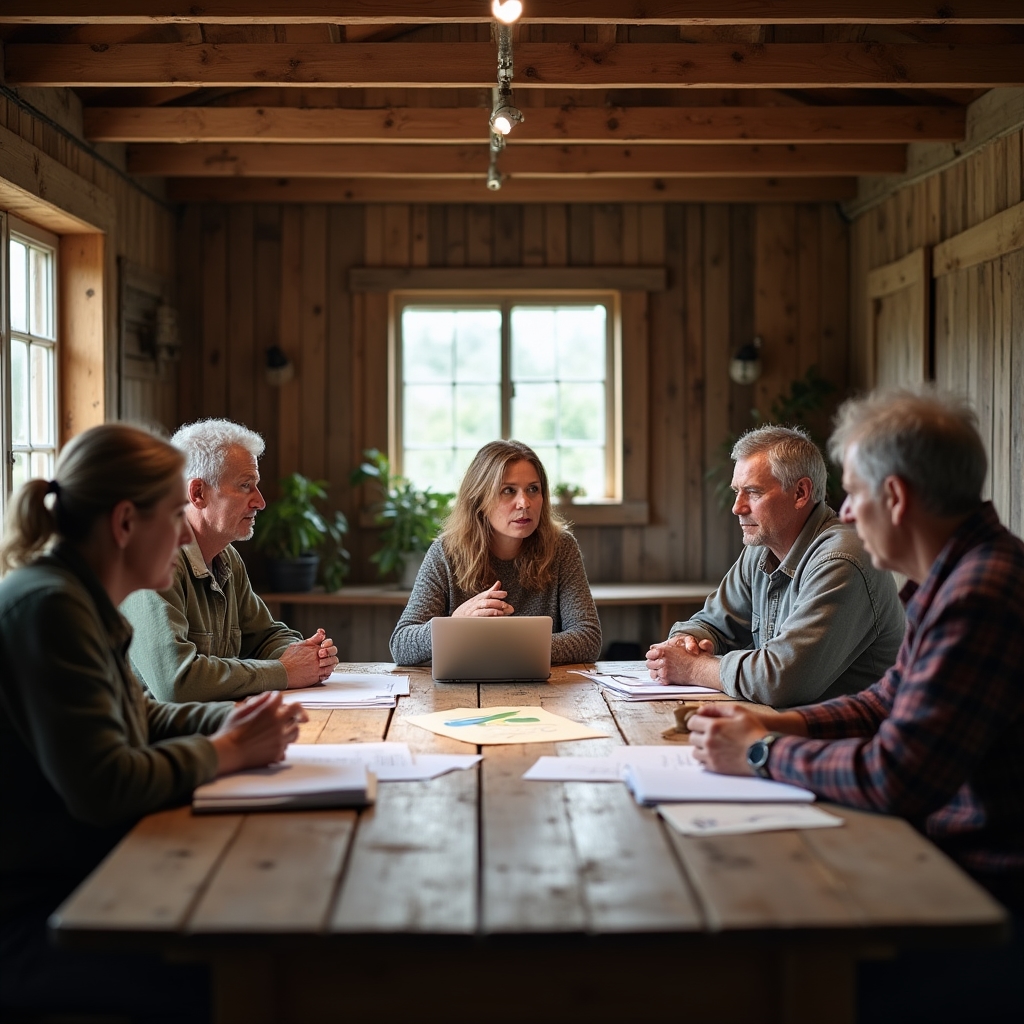
For producer associations or groups sharing storage, processing, or equipment, this program runs as a group session rather than repeated individual audits. It builds a shared vocabulary and a common framework for describing circular practices, which matters when a cooperative label or joint certification is involved.
Group size is usually kept small, often under fifteen participants, so that specific farm-level questions can still be addressed rather than lost in generalities.
- Half-day or full-day format depending on group size
- Shared audit template usable across member farms
- Discussion of how joint claims should be worded and evidenced
A note on scope
What these programs do not include
None of these programs issue a certification, eco-label, or formal sustainability rating. We do not have authority to certify a farm as organic, zero-waste, or carbon neutral, and we are cautious of any consultancy that implies otherwise without a recognised accreditation body behind it. Where a producer wants formal certification, we can point toward the relevant regulatory body, but that process sits outside our work.
Ready to see which program fits?
A short initial conversation usually clarifies which program, if any, makes sense for the scale and stage of your operation.