
Background
How this started, and why it stayed narrow on purpose
A short account of where the methodology came from, what it deliberately does not try to cover, and how it has changed after repeated seasons in the field.
Origins
It began with a whey problem, not a mission statement
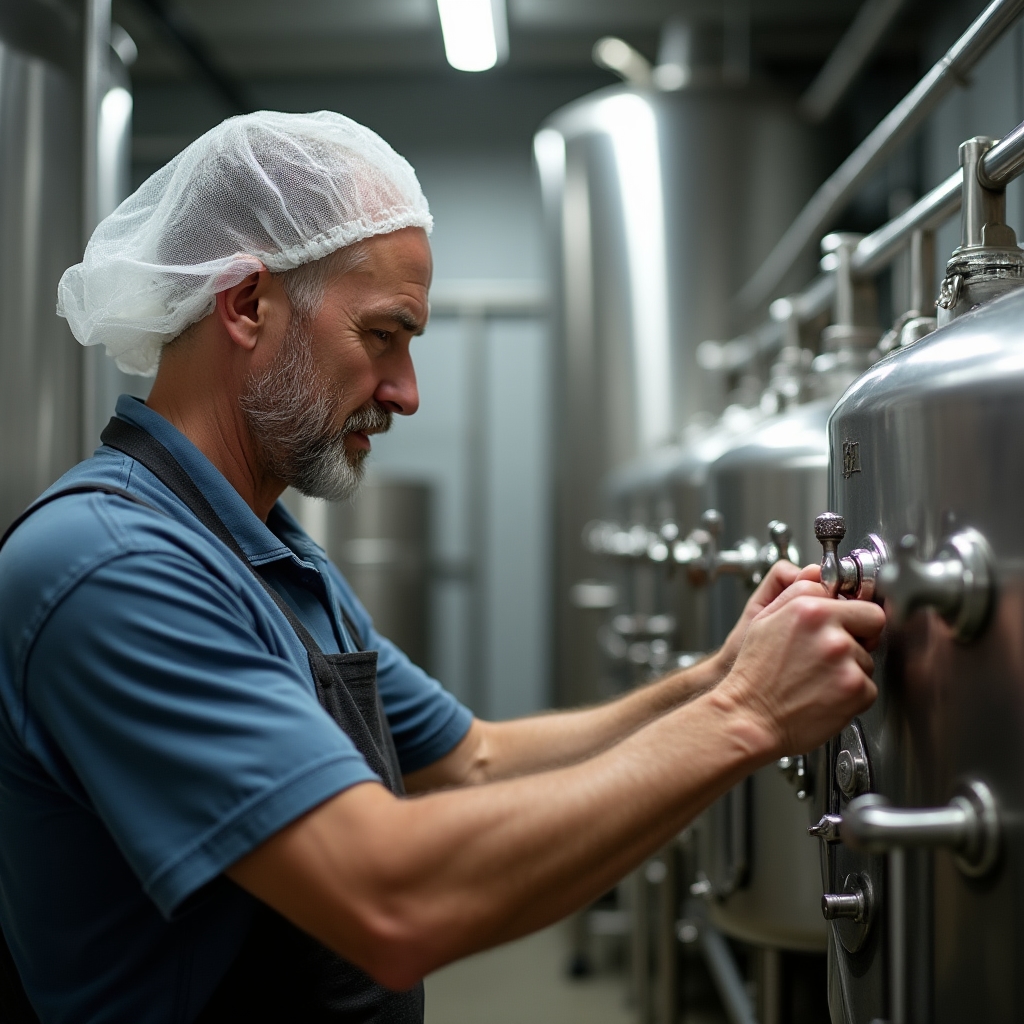
The first project that shaped this consultancy's approach was not framed as a sustainability initiative at all. A small dairy operation in a village outside Bucharest had a simple, practical problem: whey, a byproduct of cheesemaking, was being disposed of at real cost, and nobody on site had time to research alternatives.
Working through that single problem, mapping where the whey went, what it would take to redirect it to animal feed or a neighbouring operation, turned into a repeatable process. It became clear that most small producers were not lacking motivation. They were lacking a structured way to look at their own waste streams and enough time to do it properly.
Why the scope stayed narrow
Circular economy as a term covers an enormous range of activity, from industrial materials recovery to urban recycling policy. This consultancy deliberately limits itself to small agricultural producers and rural businesses, generally under a scale where a dedicated sustainability officer would be realistic.
That narrowness is intentional. It means recommendations can stay grounded in what a small team, often the owner plus two or three staff, can actually implement between seasons, rather than borrowing frameworks built for much larger operations.
How the practice developed
Milestones in the methodology, not in growth
First fieldwork
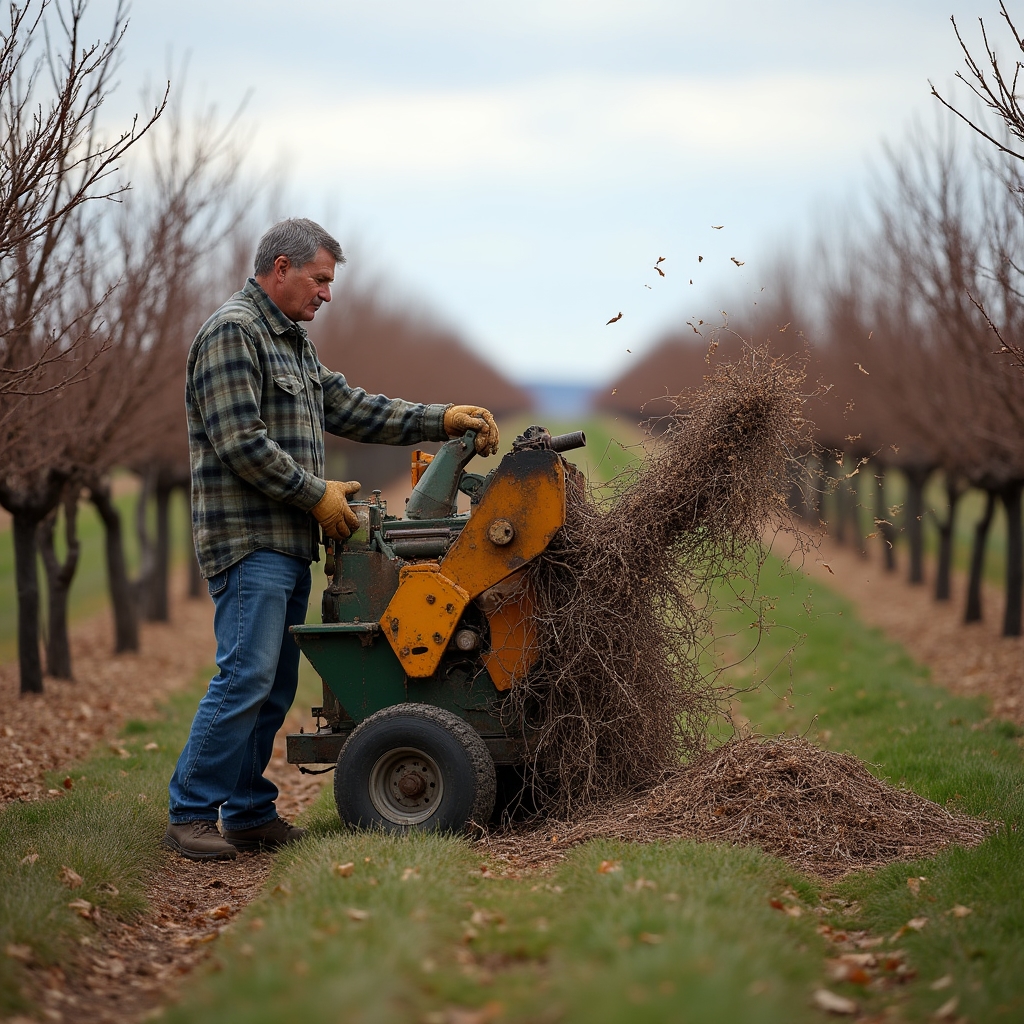
Informal consulting work with a handful of producers around Ilfov county, mostly word of mouth, no formal methodology yet.
The audit template
A standard site-walk checklist was written down after repeating the same conversation, and the same oversights, across several unrelated farms.
The communication question emerges
Several clients asked how to describe their new practices to customers. It became clear this needed its own careful process, separate from the technical audit.
Cooperative-scale sessions
The first group workshop, run for a small producer association, showed that shared framing works better than five separate one-on-one audits when the group already shares infrastructure.
A base in Bucharest
An office on Strada Nerva Traian was set up as a fixed point for scheduling, workshop hosting, and correspondence, while fieldwork continues on location.

What has not changed
Despite the added structure, the basic sequence from that first whey conversation still holds: observe before recommending, prefer specific claims over broad ones, and treat every site as its own case rather than an instance of a general template.
This is why sessions still start with a conversation rather than a form, and why the audit report for a five-hectare orchard looks nothing like the one written for a forty-cow dairy down the road.
Curious how this applies to your situation?
The programs page describes the current offerings in detail, or you can reach out directly with a specific question.